
Pottery
One of the oldest human inventions, fired clay objects.

Neek-Theri · CC BY-SA 4.0
Pottery is the process and the products of forming vessels and other objects with clay and other raw materials, which are fired at high temperatures to give them a hard and durable form. The place where a potter makes such wares is also called a pottery.
- main_types
- earthenware, stoneware, porcelain
- common_applications
- tableware, decorative ware, sanitary ware, electrical insulators, laboratory ware
Lore & Background
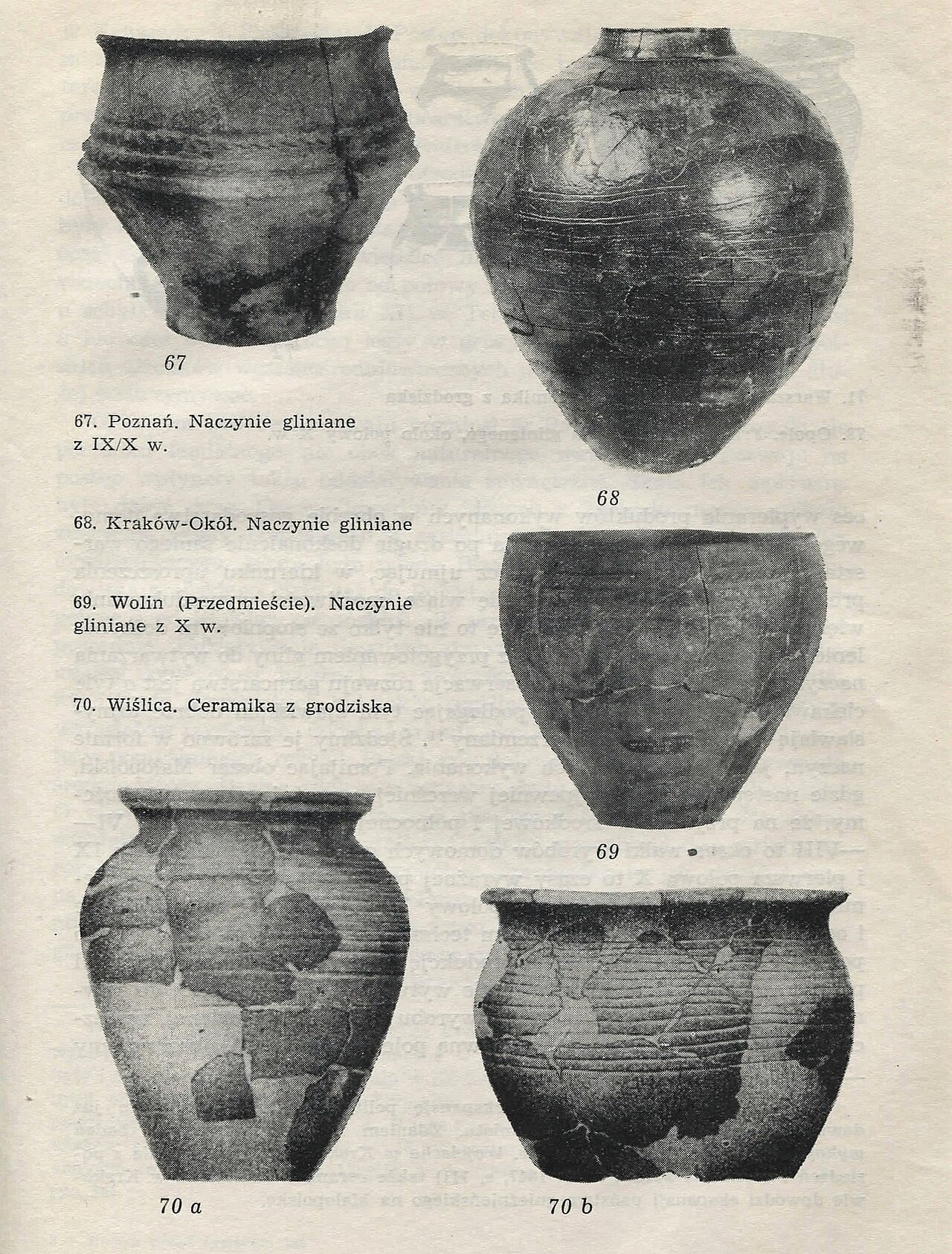
Pottery is made by forming a clay body into objects of a desired shape and heating them to high temperatures in a bonfire, pit, or kiln, which induces reactions that lead to permanent changes, including increasing strength and rigidity. Much pottery is purely utilitarian, but some can also be regarded as ceramic art. An article can be decorated before or after firing. Pottery is traditionally divided into three types: earthenware, stoneware, and porcelain. All three may be glazed and unglazed. Historic pottery of all these types is often grouped as either 'fine' wares or 'coarse', 'popular', 'folk' or 'village' wares.
Reader's Guide
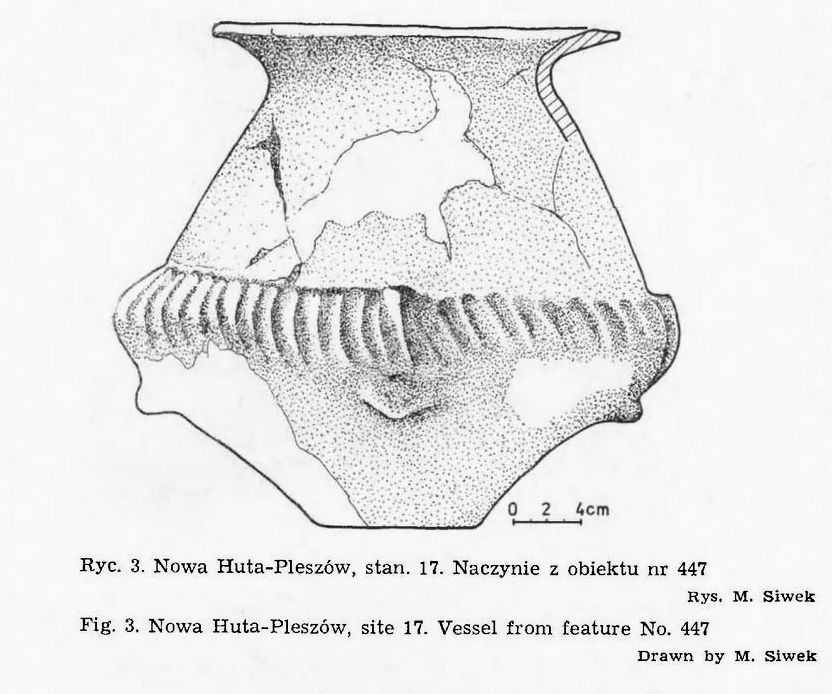
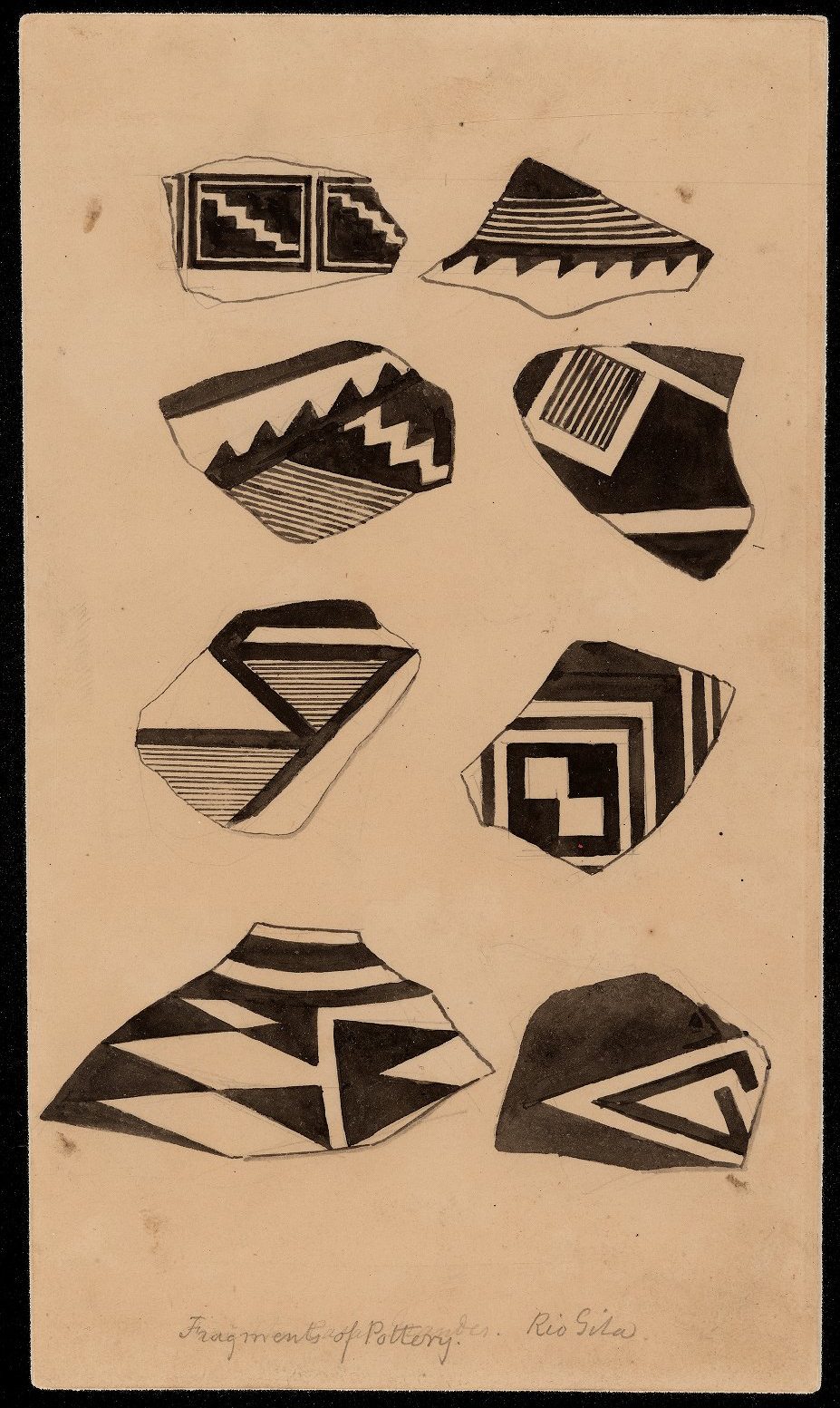
Pottery serves as a primary source of archaeological data, often surviving as diagnostic fragments long after artifacts made of organic materials have decayed. The study of pottery can help provide insight into past cultures, including their usage, source material composition, decorative pattern, and color of patterns. This helps to understand characteristics, sophistication, habits, technology, tools, trade, etc., of the people who made and used the pottery. Carbon dating reveals the age. Sites with similar pottery characteristics share the same culture; those with distinct cultural characteristics but some overlap indicate cultural exchange. When synthesised with broader archaeological evidence, the analysis of ceramic assemblages is instrumental in constructing theories regarding a society's socioeconomic organisation, economic prosperity, and cultural evolution. Furthermore, ceramic studies allow for significant inferences concerning a culture's daily life, religious practices, and social hierarchies.
Did You Know?
- Pottery is traditionally divided into three types: earthenware, stoneware, and porcelain.
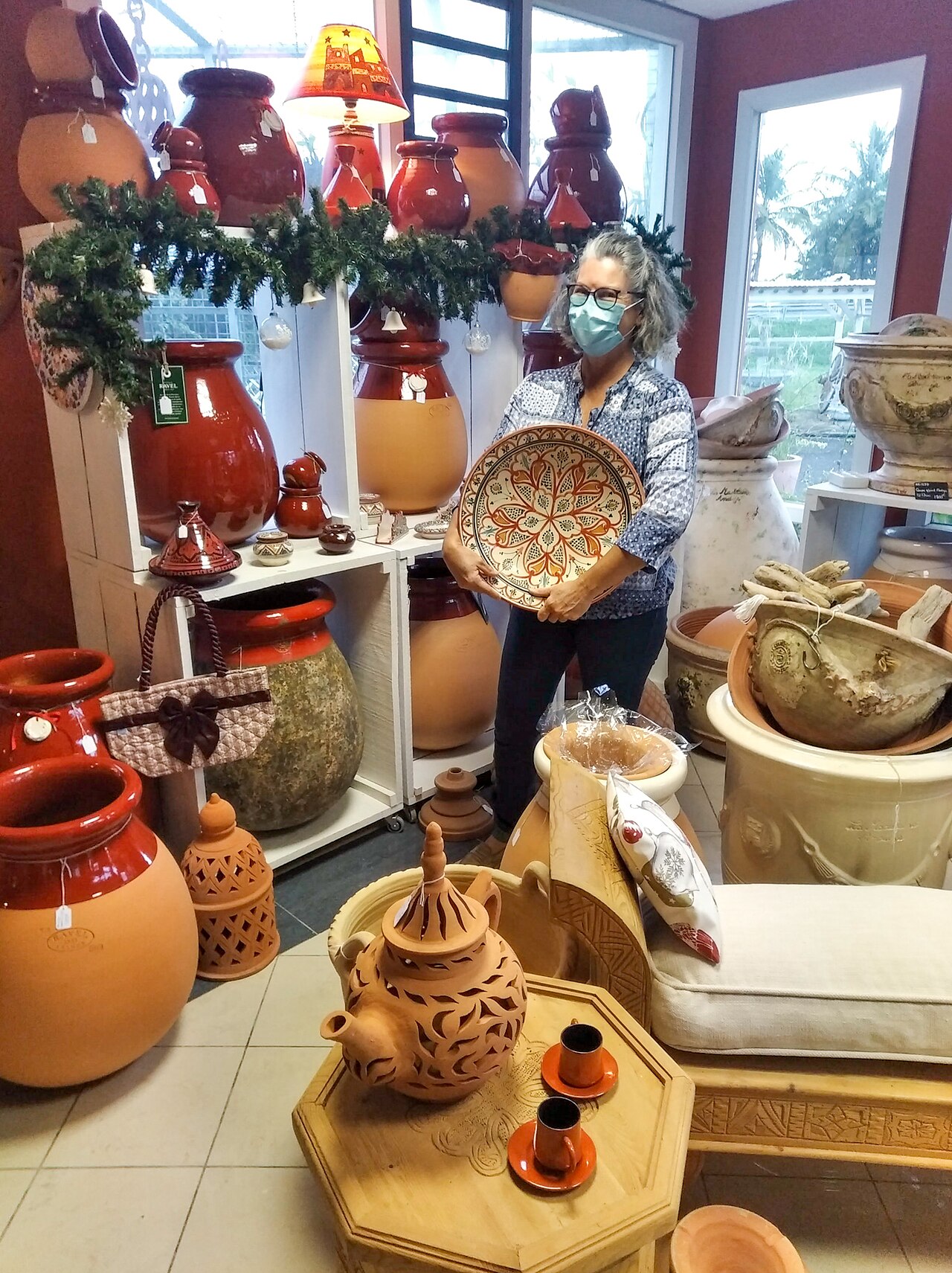
- Porous earthenware, like the tagine, absorbs and releases moisture as steam to tenderise ingredients while preserving flavours.
Origins & Ancient Craft
Humanity's relationship with fired clay stretches back at least twenty-six thousand years, making it one of the oldest material technologies we possess. Remarkably, the earliest ceramic objects discovered so far were not utilitarian vessels but sculpted figures found in southern central Europe. The first true pottery involved combining animal products with clay and subjecting the mixture to temperatures reaching eight hundred degrees Celsius. While fragments dating to nineteen thousand years ago have been uncovered, it took roughly another ten thousand years before pottery production became a regular, widespread practice. One of the most vivid early traditions belongs to the Corded Ware culture, a group of Indo-European peoples who spread across much of Europe. Their signature technique involved pressing rope into wet clay before firing; the organic cord burned away in the kiln, leaving behind intricate patterns of parallel grooves that gave the culture its name. The later introduction of the potter's wheel transformed production, yielding smoother and more uniform forms. Yet early wares remained porous and water-absorbing, a limitation eventually overcome through glazing—coating pieces with silicon, bone ash, or similar substances that melted into a glassy, water-resistant surface.
The Science of Ceramic Material
Defining what counts as a ceramic is far more complex than the everyday image of a glazed mug might suggest. At its core, ceramic material is an inorganic substance—typically a metallic oxide, nitride, or carbide—though elements like carbon and silicon can also fall under the umbrella. The hallmark mechanical profile is one of extremes: ceramics are hard, exceptionally strong under compression, yet brittle and vulnerable to shearing or tensile forces. They shrug off the chemical assault of acidic or caustic environments that would corrode metals, and they remain stable at temperatures between one thousand and sixteen hundred degrees Celsius. Crystallinity among fired ceramics spans a wide spectrum. Earthenware, stoneware, and porcelain are generally vitrified or semi-vitrified, and their ionic and covalent bonding structures make most ceramics effective thermal and electrical insulators. The sheer combinatorial range—nearly every element, multiple bonding types, and all levels of crystallinity—makes it nearly impossible to pin down a single set of properties for the group as a whole. Notable exceptions include piezoelectric, superconductive, and low glass-transition-temperature ceramics. Composites such as fiberglass and carbon fiber, despite containing ceramic constituents, sit outside the family, and many experts exclude amorphous glass, though heat treatment can convert it into a semi-crystalline glass-ceramic.
From Greek Roots to Modern Terminology
The word we use to describe everything from a kitchen plate to a semiconductor substrate traces its lineage to Ancient Greek. The term ceramic derives from κεραμικός (keramikós), which simply meant 'of or for pottery,' itself built on the root κέραμος (kéramos), a word encompassing potter's clay, tile, and pottery in general. The earliest surviving written reference to this root is strikingly ancient: the Mycenaean Greek phrase ke-ra-me-we, meaning 'workers of ceramic,' was inscribed in Linear B syllabic script on clay tablets from the Bronze Age Aegean. In other words, the very people who first put the word to paper were the artisans shaping clay in their workshops. In modern usage, the term is remarkably flexible. It functions as an adjective modifying a material, a product, or a manufacturing process—'ceramic coating,' 'ceramic engineering,' 'ceramic processing.' It also operates as a noun, either in the singular or, more commonly, in the plural form ceramics, which is how the discipline and the family of materials are typically referenced in both academic and industrial contexts. This linguistic versatility mirrors the enormous scope of the field itself, spanning humble earthenware bricks to cutting-edge electronic components.
Advanced Ceramics & Modern Applications
What began as hand-shaped clay vessels has evolved into a materials science that underpins some of the most demanding sectors of modern industry. The raw-material palette has expanded enormously: where traditional potters relied on clay minerals like kaolinite, contemporary engineers work with aluminium oxide (alumina), silicon carbide, and tungsten carbide. The latter two are prized for their exceptional abrasion resistance and find their way into wear plates on crushing equipment in mining operations, while advanced ceramics more broadly serve the medical, electrical, electronics, and armor industries. Even semiconductors now fall within the broader ceramic family. Manufacturing methods have diversified in step with this material range. Highly oriented crystalline ceramics resist many conventional processing routes, so producers either create the desired shape through in-situ chemical reactions or form powders into shape and then sinter them into a solid body. The toolkit includes hand shaping and the rotational technique known as throwing, slip casting, tape casting (essential for producing the very thin ceramic capacitors inside electronic devices), injection molding, and dry pressing. Each method suits a different geometry, thickness, and production volume, reflecting how a craft rooted in ancient kilns now feeds the microelectronics and defense sectors.
Gallery
Frequently Asked Questions
What is Pottery?
Pottery is both the craft of shaping clay and other raw materials into vessels and objects, and the finished products that result from hardening those forms through high-temperature firing. The workshop where a potter creates such wares is also called a pottery.
What are the main types of Pottery?
The three principal categories are earthenware, stoneware, and porcelain. They are distinguished by the composition of the clay body and the specific firing conditions applied to each.
What is Pottery commonly used for?
Pottery serves a wide range of purposes, including tableware, decorative objects, sanitary fixtures, electrical insulators, and laboratory equipment. Its durability and versatility make it suitable for both everyday household use and specialized industrial applications.
More in Manufacturing & Materials 1-20
Spotted an error? Know more?
This is a living reference — every entry is fact-audited, and reader corrections feed straight into our audit queue. Suggest an edit · See this site's audit record