
Machine press
Machine tool that changes work-piece shape by pressure.

Qasinka · CC0
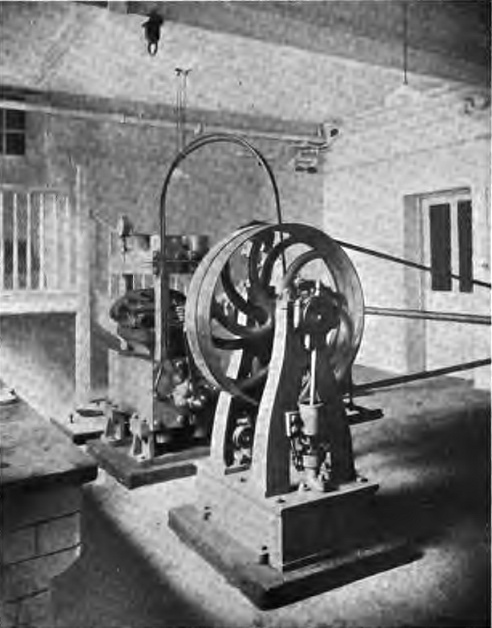
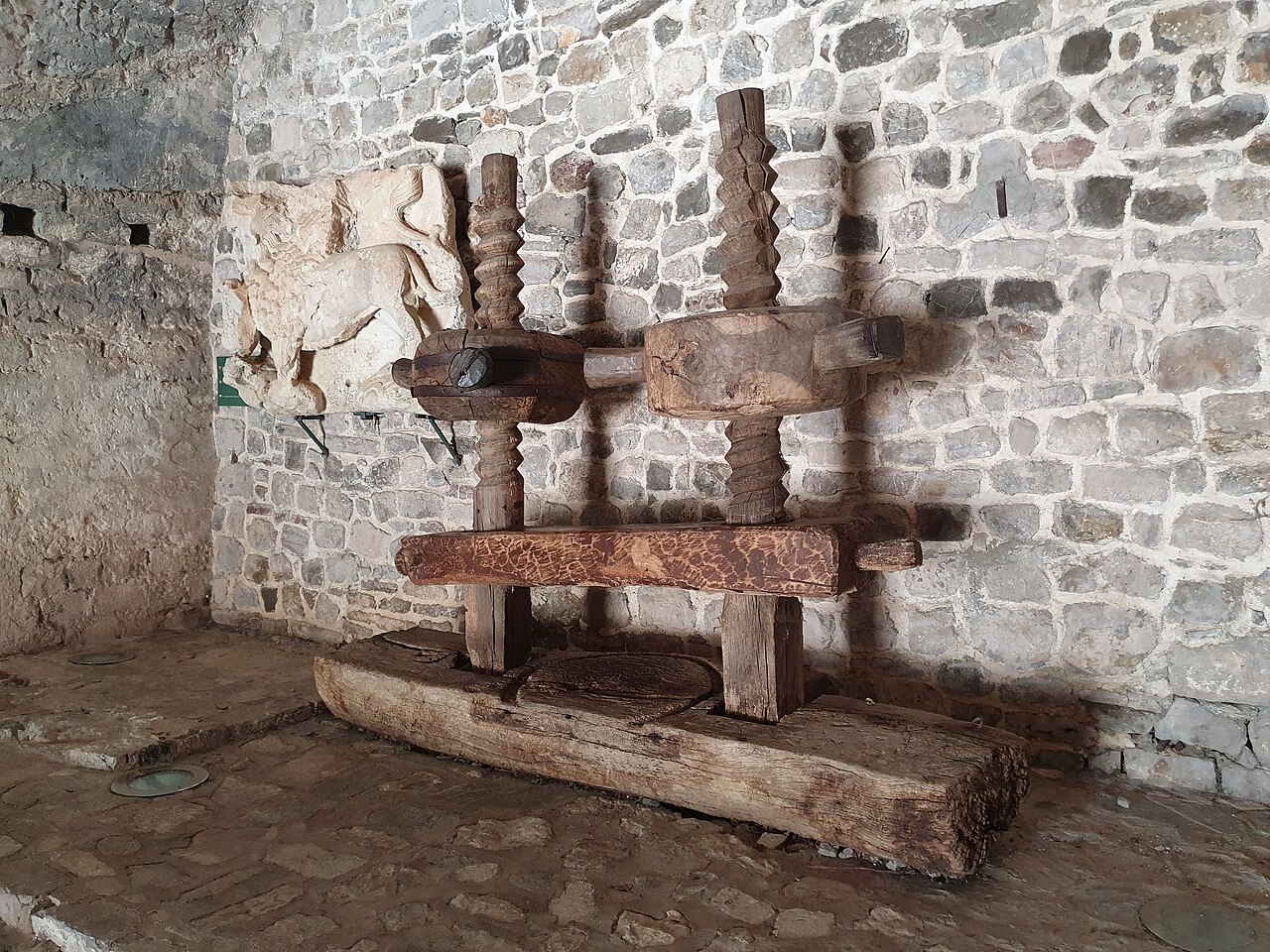
A machine press, also known as a forming press, is a machine tool that changes the shape of a work-piece by the application of pressure. The operator of a forming press is known as a press-tool setter, often shortened to tool-setter. Presses can be classified by mechanism (hydraulic, mechanical, pneumatic), function (forging, stamping, press brake, punch press), structure (knuckle-joint, screw, expeller), or controllability (conventional vs. servo-presses).
- field
- Metalworking and manufacturing
- known_for
- Shaping metal and other materials through applied pressure
- types
- Hydraulic, mechanical, pneumatic; forging, stamping, press brake, punch press; knuckle-joint, screw, expeller; conventional, servo-press
Lore & Background
Historically, metal was shaped by hand using a hammer. Later, larger hammers were constructed to press more metal at once, or to press thicker materials. Often a smith would employ a helper or apprentice to swing the hammer while the smith concentrated on positioning the work-piece. Drop hammers and trip hammers utilize a mechanism to lift the hammer, which then falls by gravity onto the work. Most modern machine presses typically use a combination of electric motors and hydraulics to achieve the necessary pressure.
Reader's Guide
Machine presses are fundamental to modern manufacturing, enabling the mass production of shaped metal parts ranging from automotive components to electronic enclosures. Their significance lies in their ability to apply controlled force to deform materials with precision and repeatability. The development of servo-presses, which use an AC servo motor and ball screw, has reduced energy consumption to only 10–20% of other press machines. Press brakes can bend sheet metal with accuracy to a fraction of a millimeter, while stamping presses shape or cut metal using dies. Safety measures such as bi-manual controls and light curtains are essential to prevent accidents. The evolution from manual hammers to steam hammers and then to electric and hydraulic systems reflects the ongoing drive for greater force, efficiency, and control in industrial forming processes.
Did You Know?
- A shop press is commonly used to press interference fit parts together, such as gears onto shafts or bearings into housings.
- A servo press can reduce energy consumption by 30–50% or more compared to conventional presses.
- A press brake can form parts with accuracy to a fraction of a millimeter and bending forces exceeding 2,000 tons, with some industrial models reaching 3,000 tons or more.
Gallery

Frequently Asked Questions
What is a machine press?
A machine press, sometimes called a forming press, is a machine tool that reshapes a work-piece by applying force through pressure. It sits at the heart of metalworking and manufacturing operations where material must be deformed rather than cut away.
What types of machine presses exist?
Presses are sorted by power source (hydraulic, mechanical, or pneumatic), by task (forging, stamping, press brake, or punch press), by structural frame (knuckle-joint, screw, or expeller), and by control style (conventional versus servo-driven).
Who operates a machine press?
The person responsible for setting up and running a forming press is known as a press-tool setter, a title that most shops shorten to simply 'tool-setter.'
How does a machine press differ from a cutting machine tool?
Instead of removing chips like a lathe or milling machine, a press deforms the work-piece by forcing it against dies or through a forming mechanism. The applied pressure reshapes the material into the target geometry without necessarily removing any stock.
What makes a servo-press different from a conventional press?
Conventional presses follow a fixed mechanical or hydraulic cycle, whereas servo-presses use electric servo motors to precisely govern force, speed, and position at every point in the stroke. This gives the operator much finer, programmable control over the forming action.
More in Manufacturing & Materials 1-20
Spotted an error? Know more?
This is a living reference — every entry is fact-audited, and reader corrections feed straight into our audit queue. Suggest an edit · See this site's audit record