
Metalworking
Shaping metals from prehistory to modern precision industry.

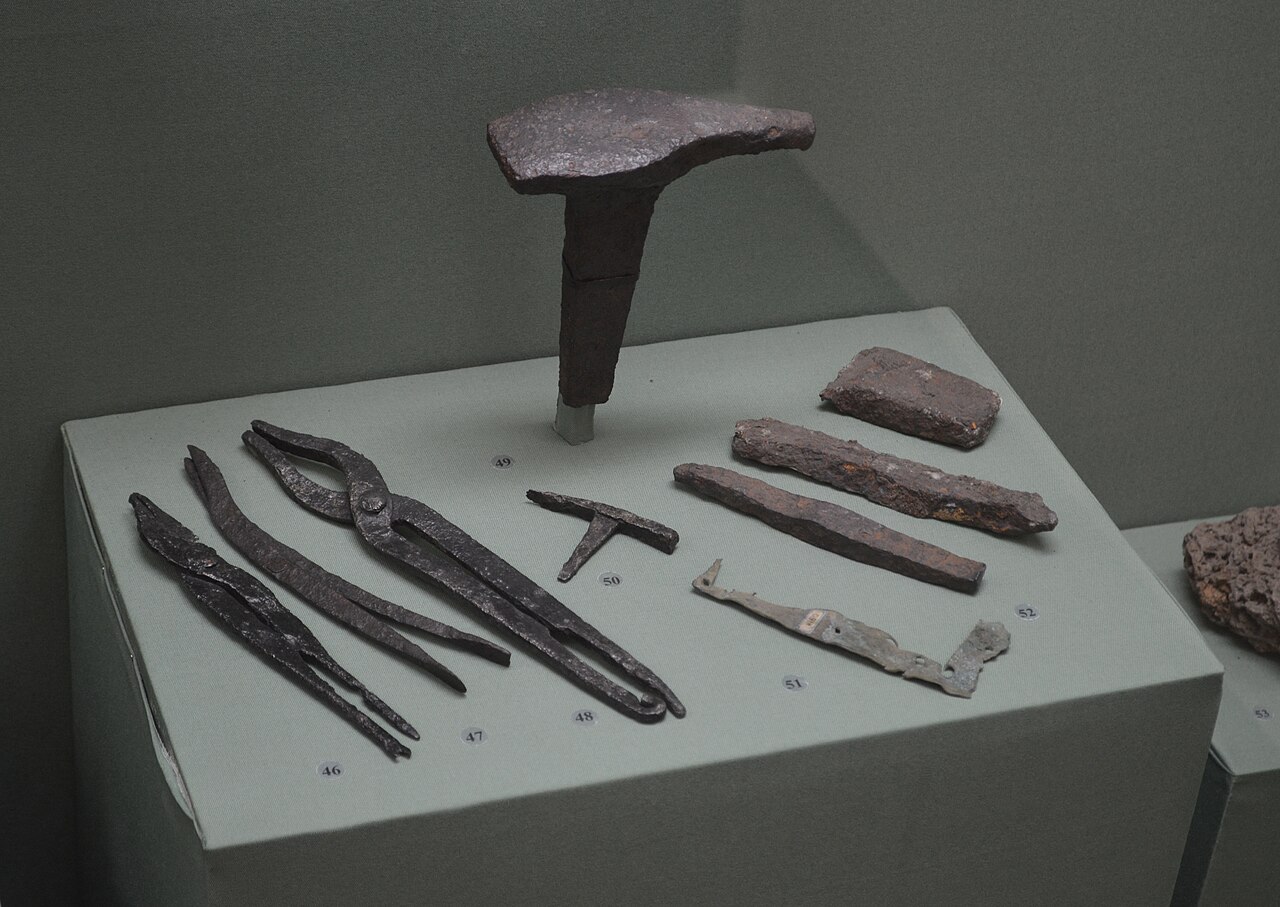
Michael Cannon · CC BY-SA 2.0
Metalworking is the process of shaping and reshaping metals to create useful objects, parts, assemblies, and large-scale structures. Its historical roots predate recorded history, spanning cultures, civilizations, and millennia, evolving from working soft native metals with simple hand tools to modern machining and welding.
- known_metals_in_antiquity
- Seven metals: iron, tin, lead, copper, mercury, silver, gold
- major_categories
- Forming, cutting, joining
Lore & Background
Bronze, an alloy of copper and tin, was developed to overcome copper's softness, providing edge-durability and stiffness. Until iron's advent, bronze was the most advanced metal for tools and weapons. Outside Southwestern Asia, bronze use emerged in China and Great Britain, while Japan used bronze and iron almost simultaneously. In the Americas, metalworking for tools and weapons became common only after European colonization; prior use was mainly for jewelry and art.
Reader's Guide
Metalworking's significance lies in its foundational role across human history, from the earliest tools and ornaments to modern industry. It drove trade, shaped economies, and enabled technological advances in construction, transportation, and electronics. The article notes that metalworking is both a science and a craft, encompassing forming, cutting, and joining processes. Modern machine shops use specialized tools for precision, while simpler techniques like blacksmithing persist in less developed countries, artisanal work, and historical reenactment. The availability of metals and skilled metalworkers influenced the fates of entire civilizations. Without metals, the global movement of goods and services on today's scale would cease. The legacy of metalworking is its continuous evolution from native gold working to sophisticated alloys and machining, reflecting human ingenuity in shaping materials for utility and art.
Did You Know?
- Isaac Asimov speculated that gold was the first metal because it occurs naturally as nuggets and requires only a stone hammer and anvil to work.
- Ancient civilizations knew seven metals: iron, tin, lead, copper, mercury, silver, and gold.
- Bronze, an alloy of copper and tin, was developed because pure copper was too soft for tools requiring edges and stiffness.
From Stone Hammers to the First Nuggets
The story of metalworking begins before any civilization left a written record. Across the Atlantic, copper processing near Lake Michigan in Wisconsin has been dated to roughly 4,000–5,000 BCE, where workers hammered the metal until it grew brittle, then reheated it to continue shaping. What made gold uniquely accessible to our earliest ancestors was its chemistry. As Isaac Asimov noted, gold is found in nature as pure nuggets, requiring no smelting to liberate it from rock. Its extraordinary malleability and ductility meant that a stone hammer and anvil were sufficient tools. Almost every other metal, by contrast, is locked inside ore-bearing rock and demands heat or chemical processes to free it. The oxidation potential table tells this story clearly: gold sits at −1.50 V, dramatically lower than iron at +0.44 V, explaining why gold remains free while iron clings tightly to its mineral host.
The Bronze Leap and the Iron Threshold
Pure copper, once smelted from ore, proved too soft for tools that needed a sharp edge or structural rigidity. The breakthrough came when workers began introducing tin into molten copper, producing bronze—an alloy that combined the edge-durability and stiffness pure copper simply could not deliver. This alloy dominated toolmaking and weaponry until iron smelting emerged, ushering in what we now call the Iron Age. The adoption of these advances was not uniform across the globe. In Southwestern Asia, copper smelting became common around 6,000 BCE, and the inhabitants of Mehrgarh in South Asia were metalworking between 7,000 and 3,300 BCE. In China and Great Britain, bronze appeared with little intermediate investment in pure copper. The Japanese took up bronze and iron almost simultaneously. The Americas followed a markedly different path: although indigenous peoples knew of metals, metalworking for practical tools and weapons did not become common until European colonisation. Before that contact, jewelry and artistic objects were the principal uses of metal on the continent.
Three Pillars of the Modern Workshop
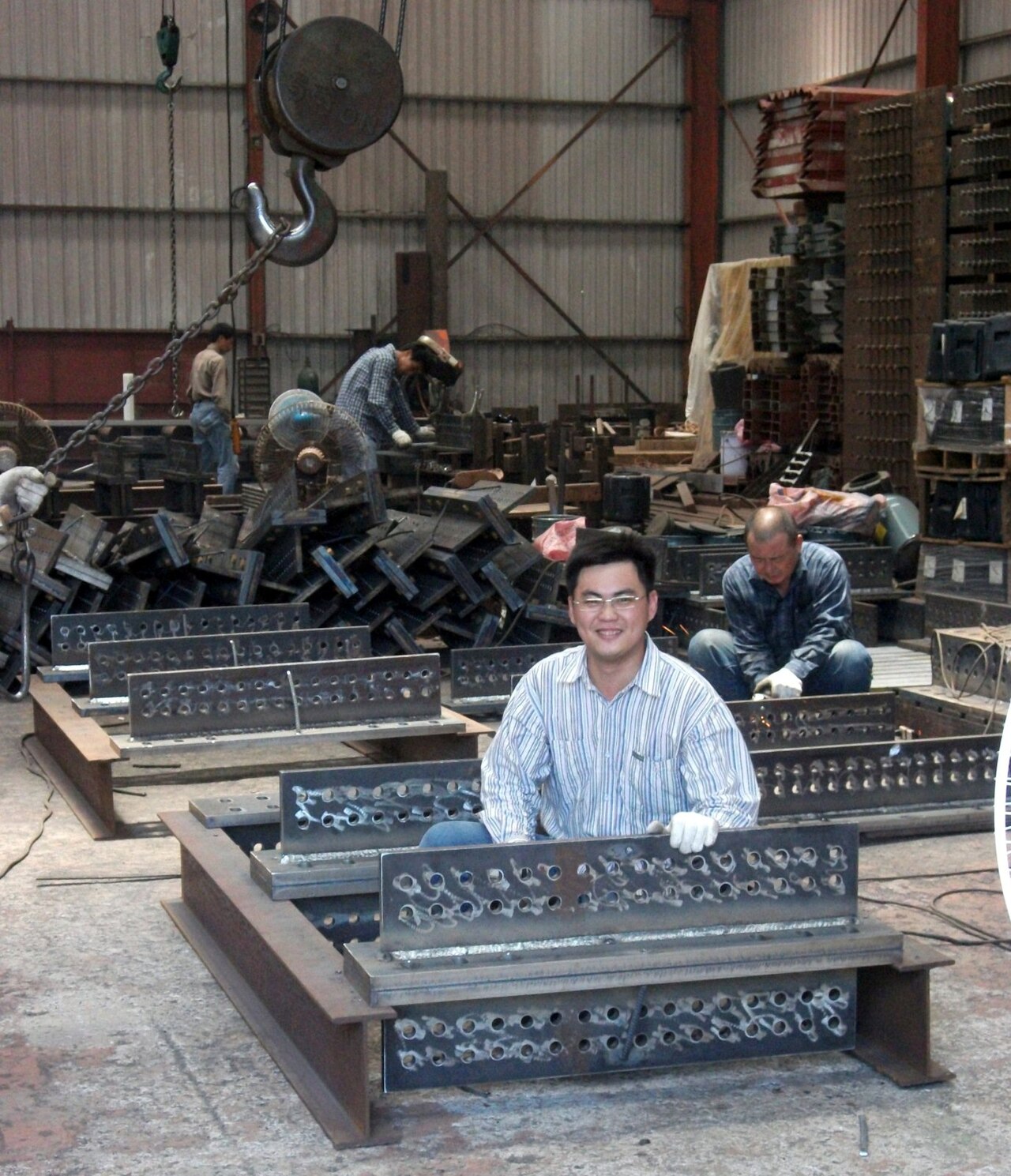
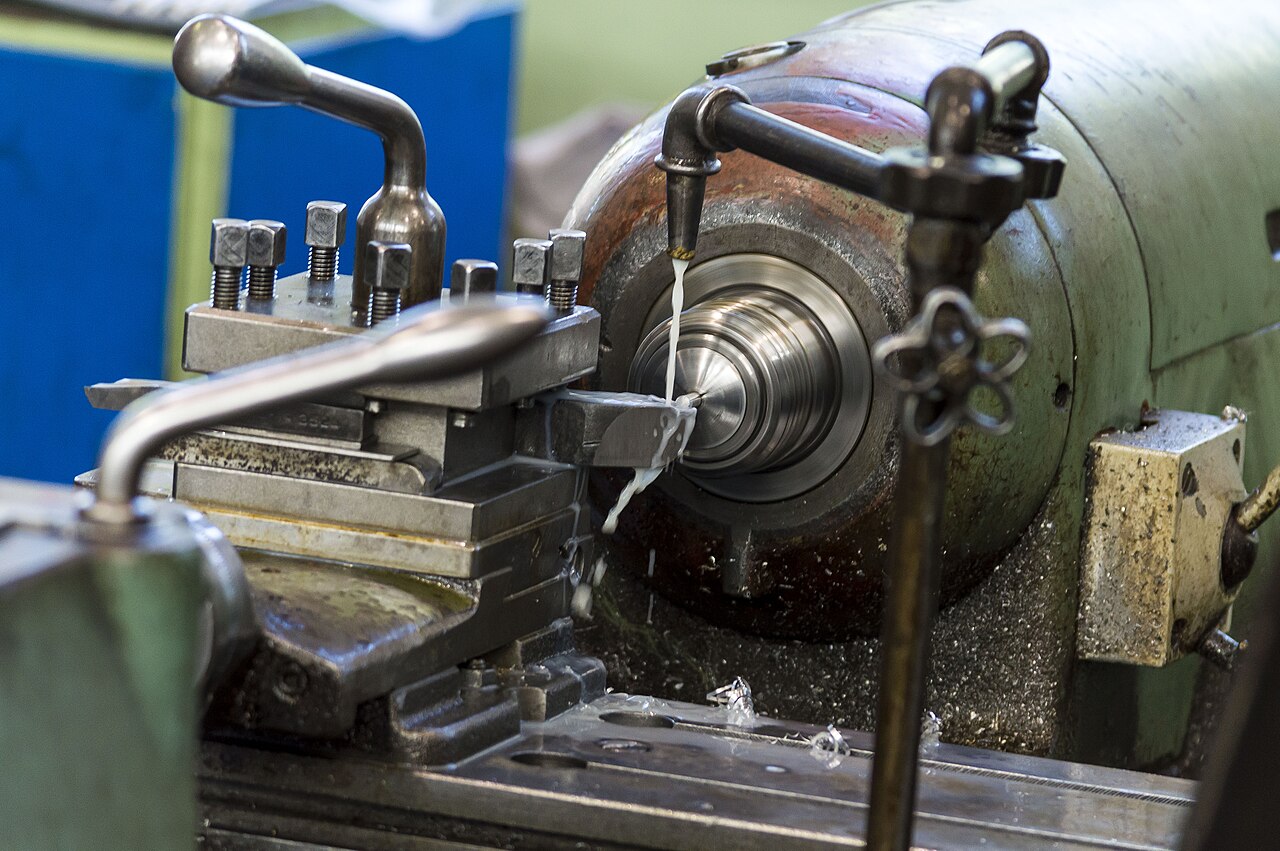
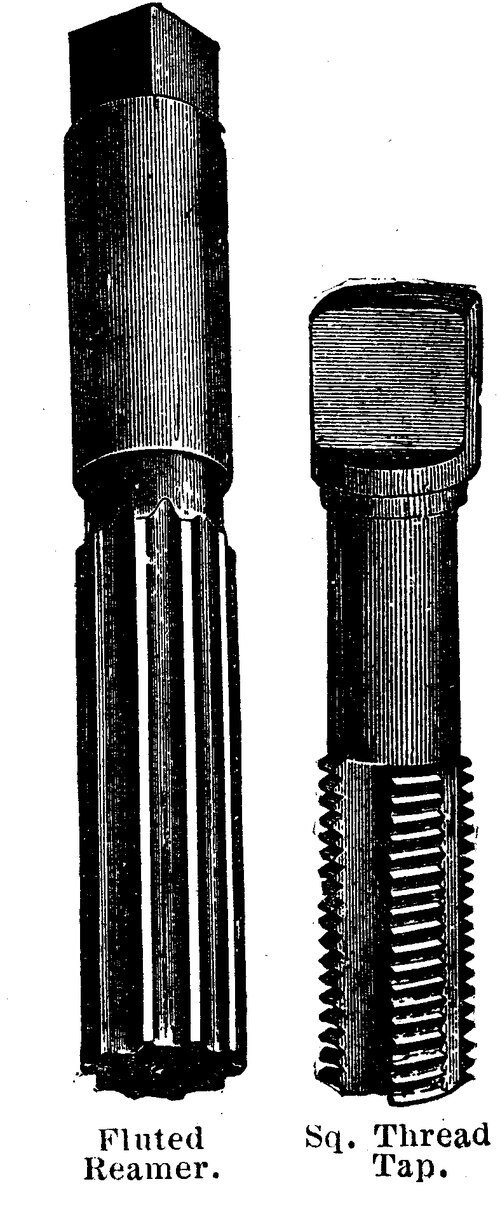
Today's metalworking, though extraordinarily diverse in its specialized techniques, organizes itself into three fundamental categories: forming, cutting, and joining. These three pillars encompass everything from the massive fabrication of ships, buildings, and bridges down to the microscopic precision of engine components and delicate jewellery. The modern workshop—commonly called a machine shop—houses a wide array of both specialized and general-purpose machine tools, each capable of producing highly precise, functional products. The trajectory from ancient hand-hammering to today's machining and welding represents a continuous thread of technical evolution. Yet the older, simpler techniques have not vanished entirely. Blacksmithing and related artisanal methods, while no longer economically competitive at large scale in developed nations, persist in less developed regions for practical craft work, as individual hobbies, and in the realm of historical reenactment. This coexistence of high-tech precision and time-honored handwork illustrates that metalworking resists a single narrative of progress; it is simultaneously a science governed by measurable engineering principles and a craft passed through generations of skilled practitioners.
Precious Metals, Sacred Craft, and Global Exchange
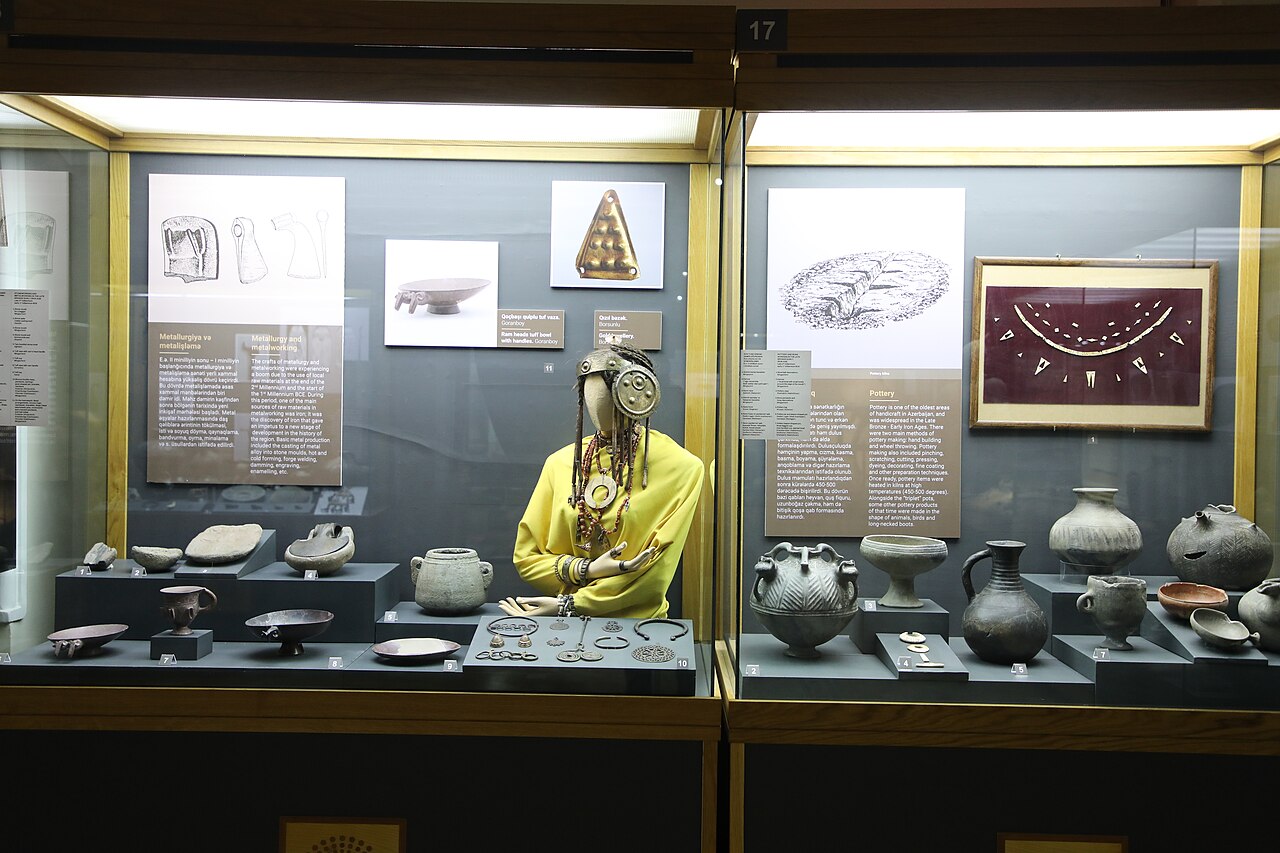
Long before metal served purely practical purposes, ancient civilizations began attaching deep cultural and economic value to precious metals beyond their functional utility. By the eras of the Egyptian Pharaohs, the Vedic kings of India, the Tribes of Israel, and the Maya of North America, gold and silver trinkets had become luxury goods. Societies developed formal rules governing ownership, distribution, and trade of these materials, and metalworkers achieved remarkable sophistication in crafting adornments, religious artifacts, and trade instruments. The practitioners of this craft spanned a wide spectrum: artisans, blacksmiths, atharvavedic practitioners, and alchemists all contributed to the global tradition. Certain techniques, such as granulation, appear independently across numerous ancient cultures, suggesting either parallel invention or extensive long-distance exchange of knowledge. In the Americas, the trajectory diverged sharply from the Old World; metals were primarily shaped into jewelry and art rather than tools or weapons, a distinction that persisted until European colonisation introduced new metallurgical priorities. Metalworking, in this light, was never merely industrial—it was a driver of trade, a medium of art, and a marker of social hierarchy across every civilization that practiced it.
Gallery

Frequently Asked Questions
What is Metalworking?
Metalworking is the broad craft of shaping, reshaping, and assembling metals into functional objects, components, and large-scale structures. It covers everything from hand-forged tools to modern precision-machined parts.
What are Metalworking's three major categories of technique?
The field is traditionally divided into forming (bending, pressing, or otherwise changing a metal's shape), cutting (separating material to create parts), and joining (welding, brazing, or fastening pieces together).
How has Metalworking evolved from its origins to the present day?
It began with simple hand tools shaping soft native metals like copper and gold, then expanded as smelting and alloying techniques emerged. Today it encompasses computer-controlled machining, advanced welding, and large-scale structural fabrication that would be unrecognizable to prehistoric smiths.
More in Manufacturing & Materials 1-20
Spotted an error? Know more?
This is a living reference — every entry is fact-audited, and reader corrections feed straight into our audit queue. Suggest an edit · See this site's audit record