Porcelain
A vitrified ceramic prized for strength, whiteness, and translucence.

Dina Panayotis · CC BY-SA 4.0
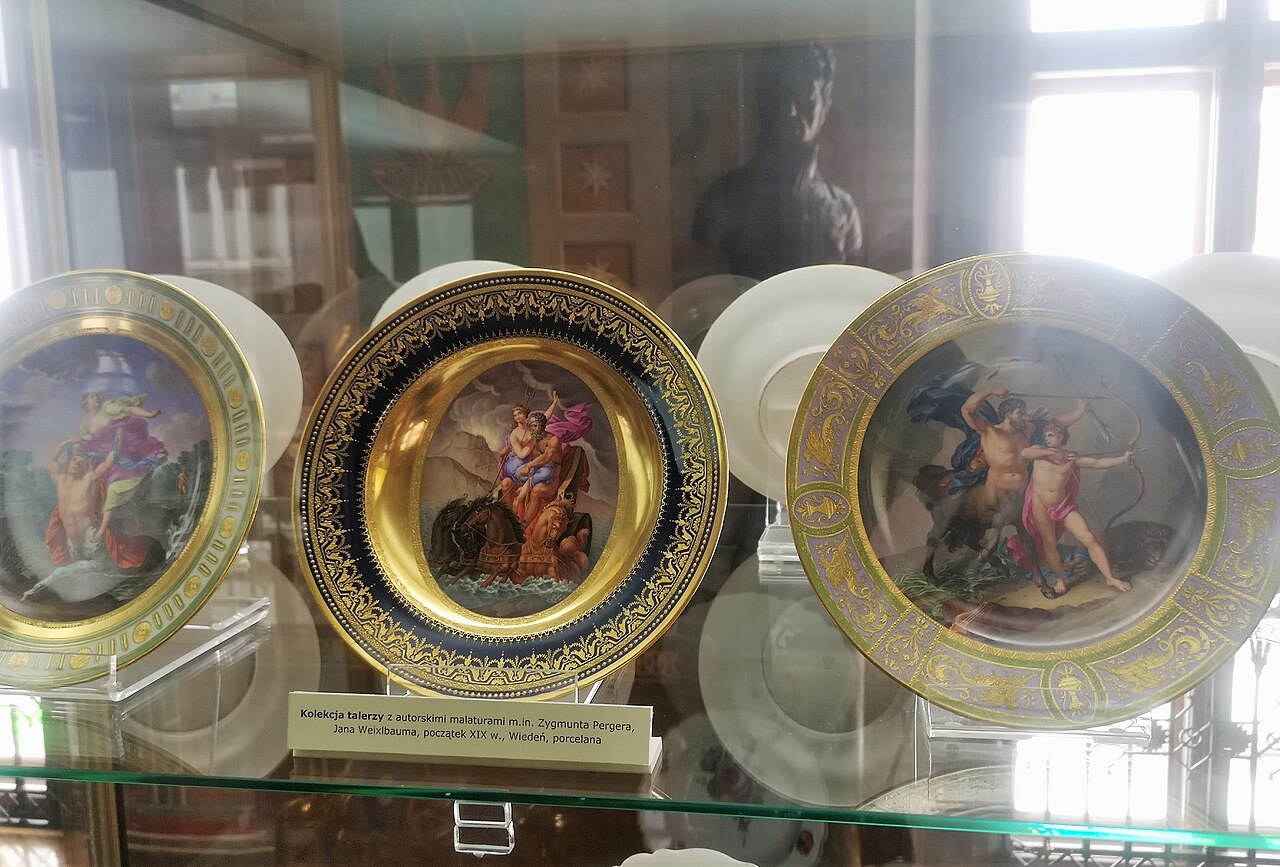
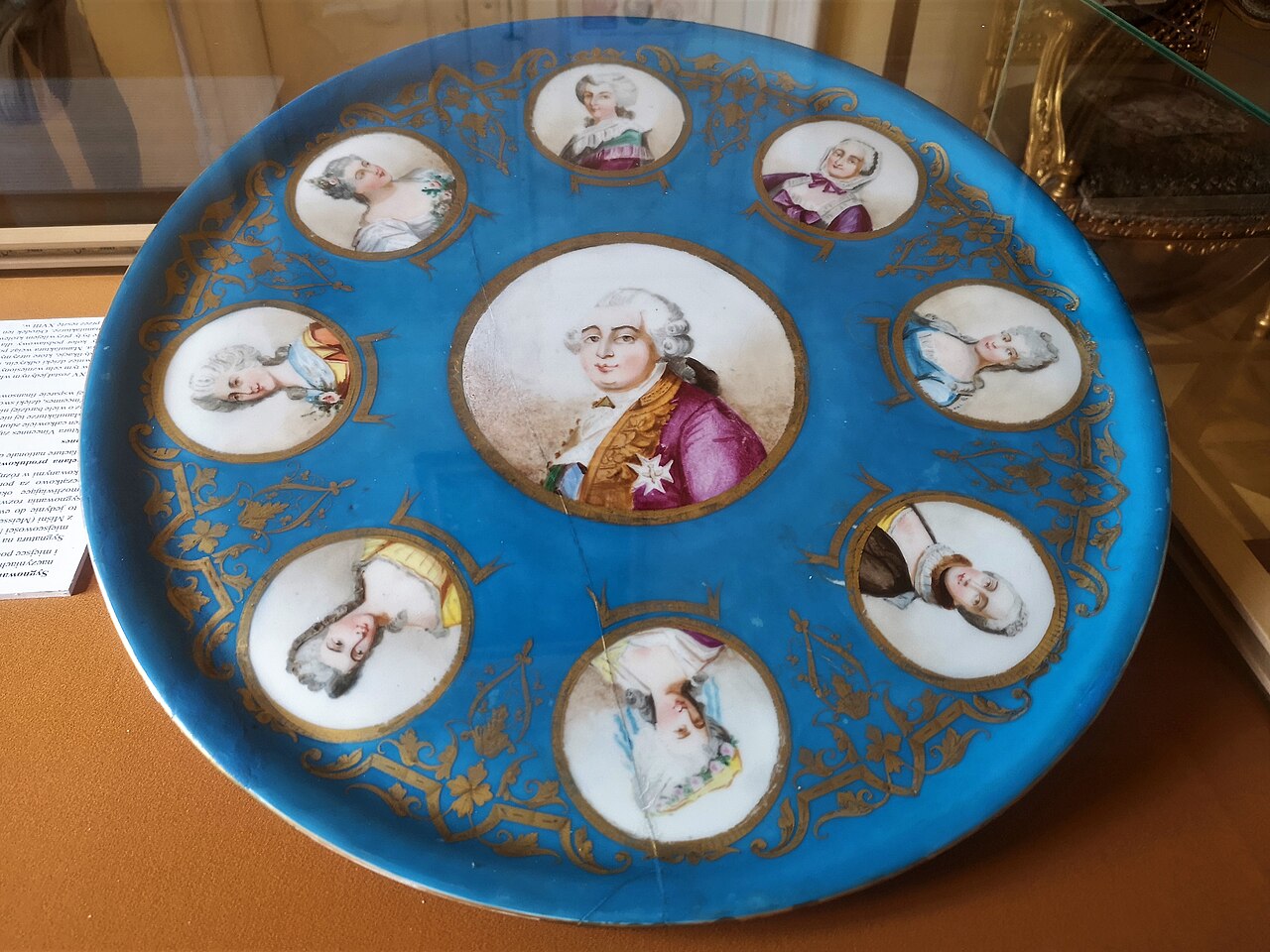
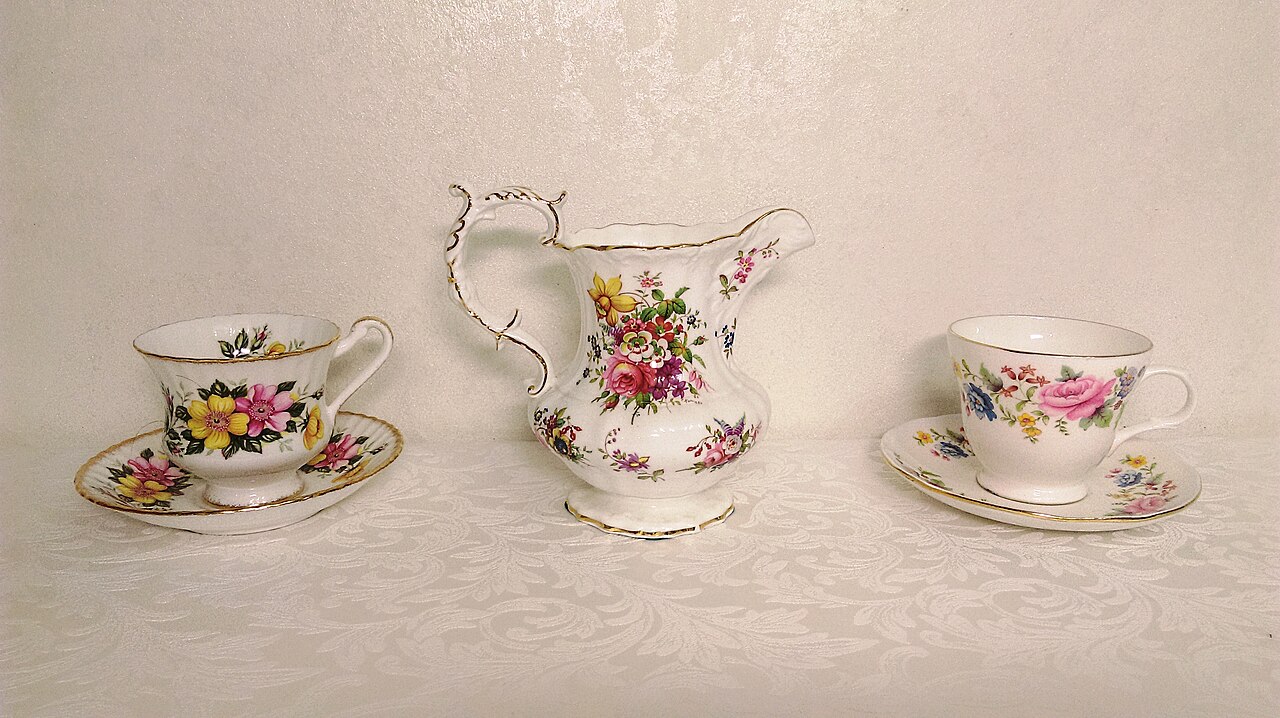
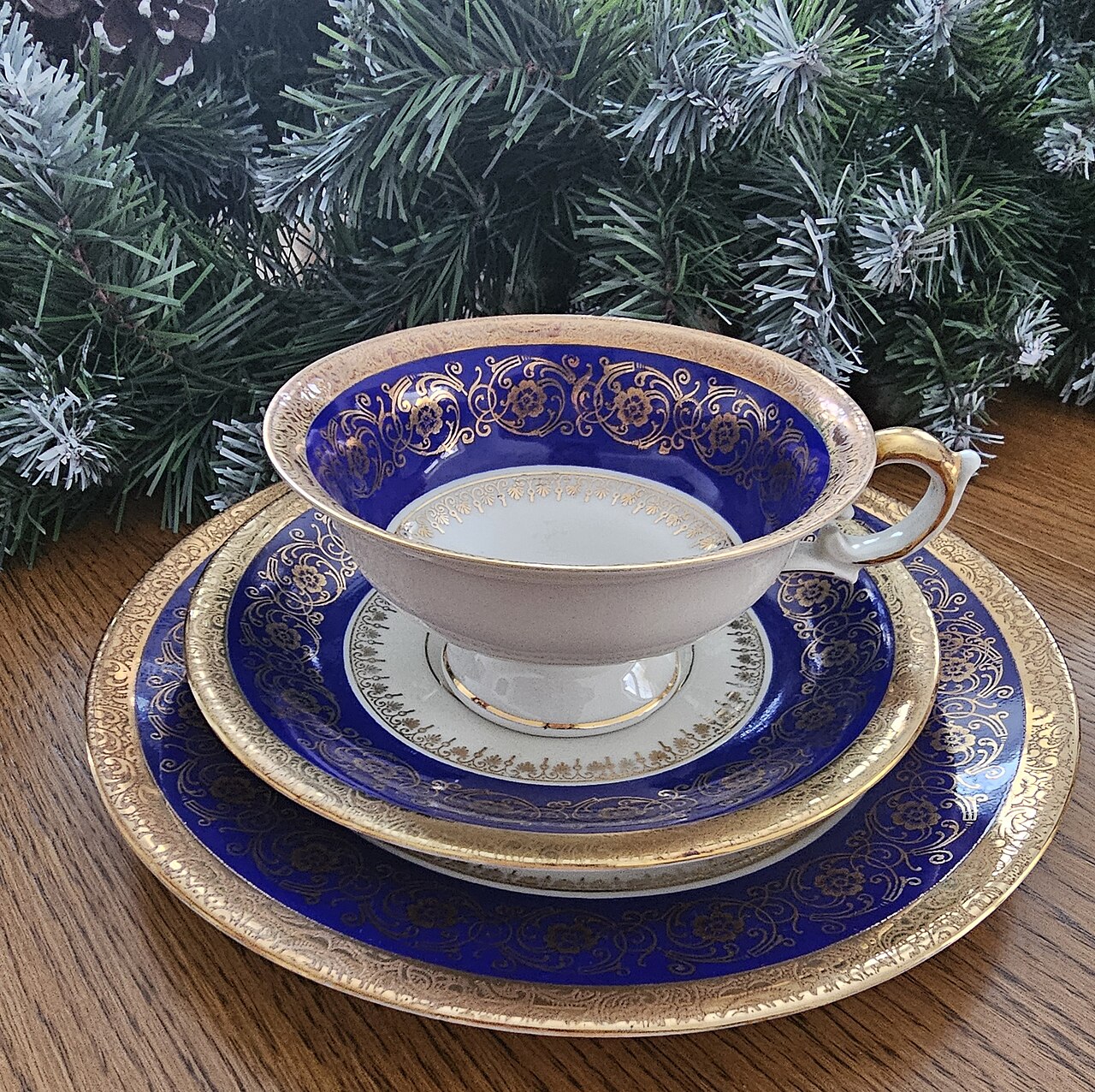
It is distinguished from other pottery by its greater strength and translucence, which arise from vitrification and the formation of mullite. Porcelain originated in China, the result of centuries of ceramic experimentation, and later spread to other parts of Asia, Europe, and the rest of the world. It has usually been regarded as the most prestigious type of pottery due to its delicacy, strength, and high degree of whiteness.
- field
- Ceramic material
- origin
- China
- known_for
- High strength, translucence, whiteness, and use in tableware, decorative ware, and industrial products
- main_categories
- Hard-paste, soft-paste, bone china
Lore & Background
By the late Sui and early Tang dynasties, the now-standard requirements of whiteness and translucency had been achieved in types such as Ding ware. The technology later spread to other parts of East Asia, then to Europe, and eventually to the rest of the world. The European name 'porcelain' comes from the old Italian 'porcellana' (cowrie shell) because of its resemblance to the surface of the shell. In some English-speaking countries, it is also called 'china' or 'fine china,' as it was first seen in imports from China during the 17th century. The manufacturing process is similar to that used for earthenware and stoneware, though it can be more challenging to produce. Porcelain can be divided into three main categories: hard-paste, soft-paste, and bone china. Hard-paste porcelain was invented in China and used in Japanese porcelain; the earliest European hard-paste was produced at the Meissen factory in the early 18th century. Soft-paste porcelains date back to early European attempts to replicate Chinese porcelain.
Reader's Guide
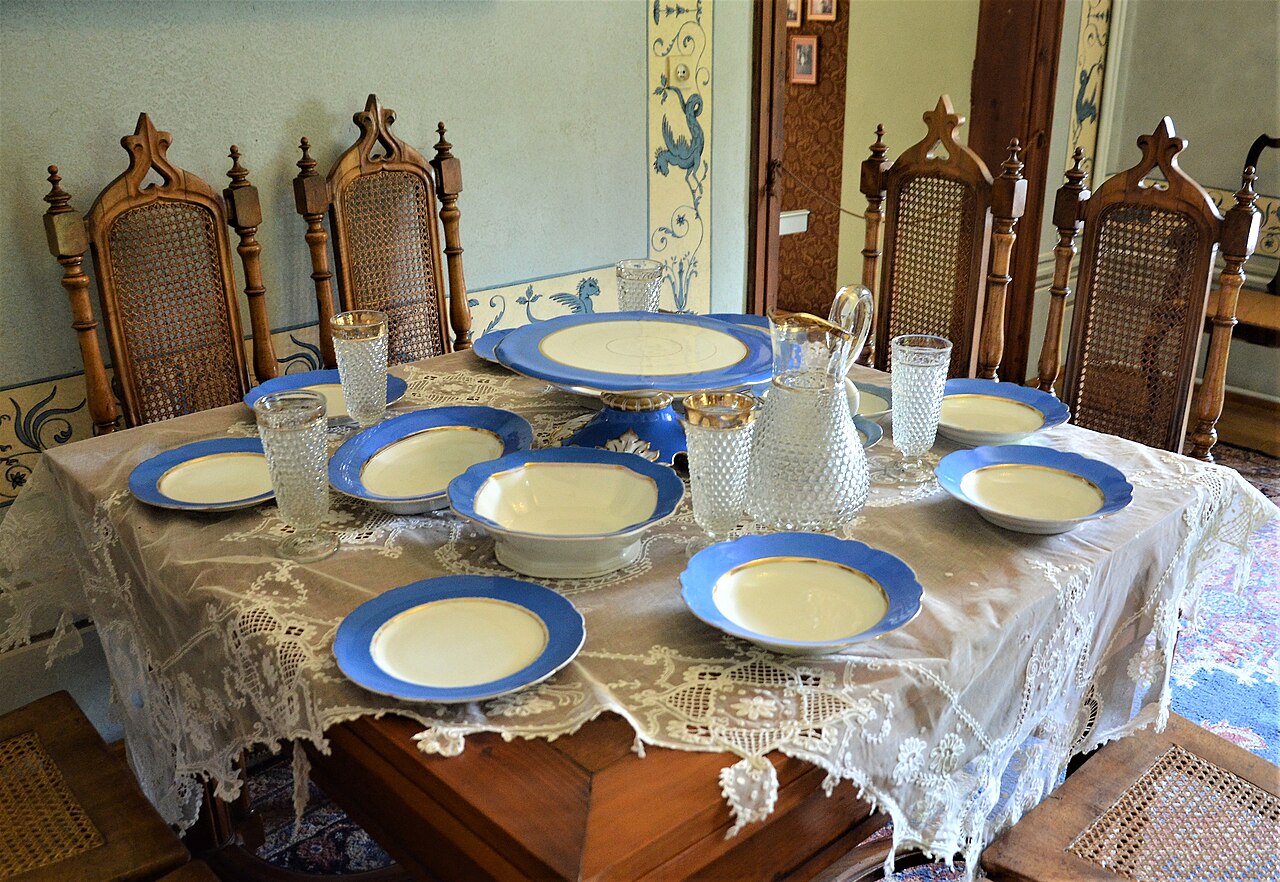
Porcelain's significance lies in its combination of strength, whiteness, translucency, and resistance to thermal shock and corrosive chemicals, making it a prestigious material for tableware, decorative figurines, and industrial products such as electrical insulators and laboratory ware. Its invention in China over centuries of experimentation represents a major technological achievement in ceramic history. The spread of porcelain technology from China to other parts of Asia, then to Europe, and eventually worldwide, transformed global trade and artistic production. The term 'porcelain' lacks a universal definition and has been applied to diverse substances with only certain surface qualities in common. In 2021, the global market for porcelain tableware was estimated at US$22.1 billion, reflecting its continued economic importance. The three main categories—hard-paste, soft-paste, and bone china—differ in composition and firing conditions, with hard-paste generally considered the finest. Porcelain's legacy includes its role in cross-cultural exchange, as European potters attempted to replicate Chinese wares, leading to innovations such as bone china. Its properties—low permeability, elasticity, hardness, and resonance—ensure its enduring use in both art and industry.
Did You Know?
- Porcelain is also called 'china' because it was first seen in imports from China during the 17th century.
- The European name 'porcelain' comes from the old Italian 'porcellana' (cowrie shell) due to its resemblance to the shell's surface.
- Porcelain can be divided into three main categories: hard-paste, soft-paste, and bone china.
- In 2021, the global market for porcelain tableware was estimated to be worth US$22.1 billion.
The Science of Near-Zero Porosity
What sets them apart from conventional ceramic tiles is a deliberate engineering strategy aimed at virtually eliminating internal porosity. This is achieved through a carefully balanced recipe of raw materials: hydrous aluminium silicates like kaolin and ball clay supply the plasticity needed for shaping, while feldspar serves as a fluxing agent that melts during firing. Quartz acts as a structural filler, preventing deformation as other components liquefy, and trace metallic oxides can be introduced to achieve uniform through-body colouration. The critical transformation occurs in the kiln, where temperatures near 1,200 degrees Celsius cause the feldspar to transition into a viscous liquid. Through capillary action, this molten glass phase migrates into the microscopic gaps between clay and quartz particles, effectively sealing the internal architecture of the tile. Upon cooling, the liquid solidifies into a glass-like matrix, yielding a monolithic, chemically inert, and frost-resistant slab whose mechanical properties far exceed those of traditional ceramic counterparts.
From Imperial China to European Palaces
For most of human history, porcelain was far too costly to serve as a practical tiling material, and builders relied instead on terracotta or stoneware. The earliest known porcelain tiles emerged in China, where they were primarily employed as decorative wall coverings rather than floor surfaces. The most celebrated example is the fifteenth-century Porcelain Tower of Nanjing, a structure that stood as a testament to the material's ornamental potential before being largely destroyed during the Taiping Rebellion; a reconstruction effort has since brought the tower back to public view. Across the sea, European palaces occasionally dedicated select rooms to walls adorned with porcelain plaques, often rendered in high relief to create a sculptural effect. Manufacturers such as Capodimonte and the Real Fábrica del Buen Retiro produced these luxury panels for aristocratic interiors. The defining characteristic of porcelain tile's historical use was its role as a decorative element on vertical surfaces, a tradition that persisted for centuries. Only in the modern era, as production costs dropped dramatically, did porcelain tiles transition from exclusive ornamental objects to a widely accessible building material found in residential and commercial spaces around the world.
The Manufacturing Journey
The transformation of raw minerals into a finished porcelain tile follows a precisely sequenced manufacturing pathway. The process begins with wet milling, in which kaolin, ball clay, feldspar, and quartz are loaded into large rotating ball mills alongside high-density alumina grinding media. Water and deflocculants are introduced to create a uniform liquid slurry. This slurry is then pumped into the top of a spray-drying tower, where high-pressure nozzles atomise it into a stream of hot air. As the droplets fall and the water evaporates, they leave behind uniform, spherical granules collected at the tower's base, retaining a controlled moisture content of four to seven percent. This residual moisture is not a flaw but a functional lubricant, enabling the particles to slide past one another during the subsequent dust-pressing stage and pack tightly without trapping air pockets. The pressed tiles then enter a roller kiln, where the high-temperature firing induces the permanent chemical and physical transformations that define the material. The result is a dense, vitrified slab ready for finishing or installation.
Performance, Aesthetics, and Global Scale
Porcelain tiles are selected for demanding environments precisely because they are significantly harder and more abrasion-resistant than other ceramic options. Among the most visually striking variants are polished porcelain tiles, whose high-lustre finish is achieved not through glazing but through mechanical grinding with diamond-tipped discs, producing a smooth, glass-like surface. However, this very process can open microscopic pores, making the tile more vulnerable to deep staining unless a penetrating sealant is applied, and it also lowers the coefficient of friction, demanding more diligent maintenance.
Gallery
Frequently Asked Questions
What are Porcelain's powers/role?
Its signature traits—high mechanical strength, translucence, and a bright white body—stem from vitrification and mullite crystal formation during high-temperature firing. In practice it shows up in tableware, decorative objects, and a range of industrial components.
Where did Porcelain come from?
Porcelain traces its origins to centuries of ceramic experimentation in China before spreading across Asia, Europe, and the wider world. It is generally considered the pinnacle of pottery in terms of refinement and prestige.
What are Porcelain's main categories?
The material is typically divided into three families: hard-paste, soft-paste, and bone china. Each differs in raw-material composition and firing behavior but shares the core vitrified structure that defines the material.
Why is Porcelain considered the top tier of pottery?
Its combination of delicacy, structural strength, and near-opaque whiteness has made it the benchmark against which other ceramics are measured. That reputation for prestige and quality has persisted from its Chinese origins through to modern industrial applications.
More in Manufacturing & Materials 1-20
Spotted an error? Know more?
This is a living reference — every entry is fact-audited, and reader corrections feed straight into our audit queue. Suggest an edit · See this site's audit record